YouTube: The New Leader
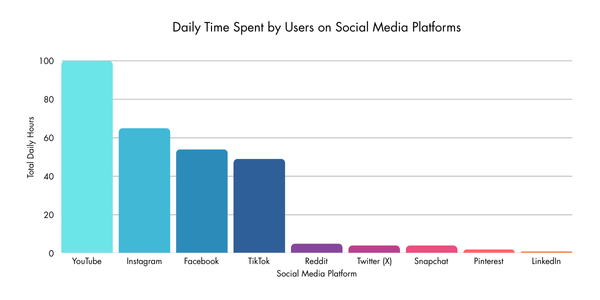
YouTube is the most popular social media platform in Canada, with an average time spent on the app daily of 100 hours. Its dominance stems from its wide-ranging content, catering to all demographics—from kids watching cartoons to adults seeking tutorials, news, or entertainment.
For businesses, YouTube offers unparalleled reach and engagement opportunities. Its video-first format allows brands to tell compelling stories, showcase products, and build trust with audiences. With the rise of connected TVs, YouTube is also becoming a key player in the streaming space, competing with traditional television.
In 2026, YouTube’s influence will continue to grow as video content remains king. Brands that invest in high-quality, engaging videos will find YouTube to be a critical part of their marketing strategy.
Instagram: The Visual Engagement Giant
Instagram continues to thrive with 20 million active users in Canada. Known for its visually-driven content, the platform has evolved to include reels, stories, and live videos, making it a hub for influencers, brands, and creatives.
Instagram’s e-commerce features, like in-app shopping and product tagging, are becoming increasingly important for businesses. As the platform competes with TikTok in the short-form video space, brands need to stay agile, adapting to trends and algorithm changes to maintain visibility.
In 2025, Instagram will remain a top choice for younger audiences and industries like fashion, beauty, and lifestyle. Businesses that prioritize authentic, visually appealing content will see the most success.
Facebook: Still Going Strong
Facebook still holds strong with over 26 million users in Canada, particularly among older demographics. It’s a go-to platform for connecting with friends, family, and community groups.
For businesses, Facebook’s robust advertising tools and marketplace features make it a valuable platform for targeted campaigns and local promotions. While its growth has slowed, its staying power is undeniable, especially for small businesses and event organizers.
In 2026, Facebook will continue to be a reliable platform for businesses looking to engage with established audiences and drive community-based interactions.
TikTok: The Pop Culture Hub
TikTok has over 15 million users in Canada, capturing the attention of Gen Z and Millennials with its addictive short-form videos. Its algorithm is unmatched in delivering personalized, engaging content, making it a hotspot for trends and viral moments.
For marketers, TikTok offers massive potential for creative, authentic campaigns. Brands that can tap into the platform’s unique culture and storytelling style will find success. In 2026, expect TikTok to expand its advertising tools and appeal to a broader demographic.
LinkedIn: The Professional Powerhouse
LinkedIn boasts 23 million users in Canada, solidifying its role as the top platform for professional networking. It’s essential for job seekers, recruiters, and businesses looking to build B2B relationships.
In 2026, LinkedIn will continue to grow as remote work and digital transformation drive demand for virtual networking. Companies that invest in thought leadership and content marketing on LinkedIn will strengthen their brand presence and credibility.
X (formerly Twitter): The Conversation Hub
With 14 million users in Canada, X remains a key platform for real-time updates, breaking news, and public discourse. Its immediacy and direct engagement make it a favorite for journalists, politicians, and brands.
Despite its rebranding and ongoing changes, X retains a loyal user base. In 2025, it will remain a vital platform for businesses looking to engage in trending conversations and provide real-time customer support.
Snapchat: The Creative Messaging Platform
Snapchat holds steady with 12 million users, appealing primarily to Gen Z with its disappearing messages, filters, and AR features. While it’s less prominent than Instagram or TikTok, its unique tools keep it relevant for younger audiences.
In 2026, Snapchat’s AR capabilities will continue to attract brands aiming to create immersive, interactive campaigns. It’s an ideal platform for businesses targeting tech-savvy, younger consumers.
Pinterest: The Inspiration Board
Pinterest maintains a loyal following of 12 million users in Canada, particularly among those seeking inspiration for home décor, fashion, and DIY projects. Its visual search capabilities make it a powerful tool for discovery and planning.
For businesses, Pinterest offers unique opportunities to drive traffic and sales through visually appealing content. In 2026, expect more brands to leverage Pinterest’s advertising options to reach users in the early stages of their buying journey.
What These Platforms Mean for 2026
Canadians spend an average of two hours daily on social media, making these platforms essential for reaching diverse audiences. While the 24-35 age group dominates, all demographics are represented across platforms.
Each platform offers unique advantages, from YouTube’s unmatched reach to TikTok’s cultural relevance and LinkedIn’s professional focus. Brands must tailor their strategies to align with platform-specific trends and user behaviors to maximize their impact in 2026.